
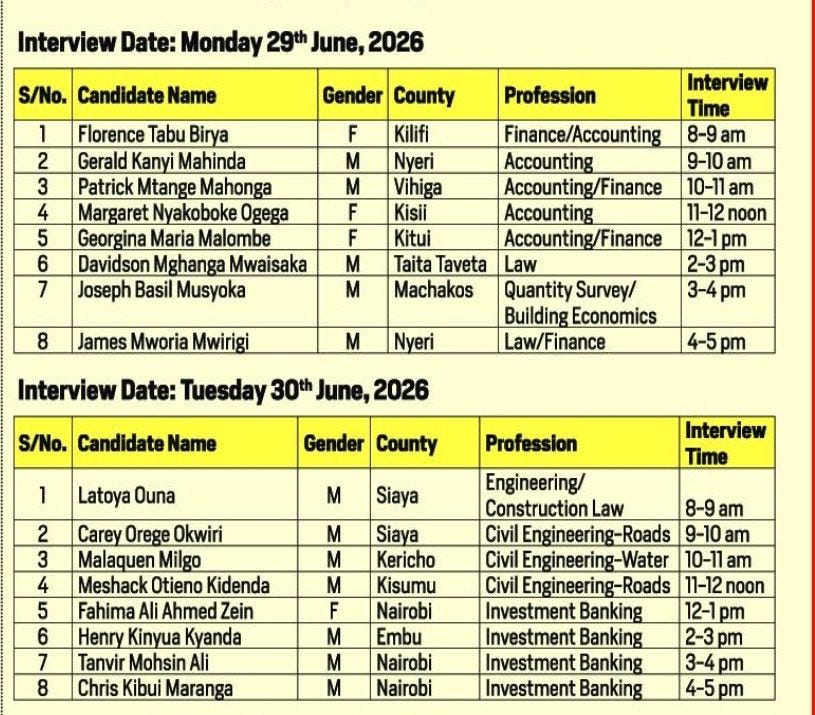
BREAKING: The shortlist for the board of the National Infrastructure Fund—the vehicle set to manage Kenya’s 5 trillion infrastructure ambition—is officially out. 🇰🇪🏗️
What do you think? Is this the lineup that will finally unlock Kenya’s long-term infrastructure potential? 💬👇
Engineering & Infrastructure
Carey Orege Okwiri: A civil engineer currently serving as the Director of the Kenya National Highways Authority (KeNHA).
Malaquen Milgo: A civil engineer currently serving as the CEO of the Athi Water Works Development Agency.
Meshack Otieno Kidenda: A highly accomplished civil engineer and former Director General of the Kenya National Highways Authority (KeNHA) with extensive national infrastructure leadership experience.
Finance & Accounting
Florence Tabu Birya: Currently serving as the Assistant Registrar of Political Parties in Kenya.
Gerald Kanyi Mahinda: An innovative business strategist with over two decades of experience as a Managing Director and CEO for major multinationals across Africa, the Middle East, and Turkey./Former CEO EABL
Patrick Mtange Mahonga: A seasoned Finance Director and governance executive with over 35 years of experience in public, private, and non-profit sectors, including former leadership at the Kenya Wildlife Service and chairmanship of ICPAK.
Margaret Nyakoboke Ogega: Currently a Chief Manager at the Kenya Revenue Authority with nearly 20 years of experience, notable for establishing and rolling out the capital gains tax guidelines for the Republic.
Georgina Maria Malombe: A finance and accounting expert with over 19 years of experience, serving as a member of the KCB Group audit committee, chairlady of the Association of Women Accountants of Kenya (AWAK), and a former CEO of the Registration of Accountants Board (RAB).
Investment Banking
Fahima Ali Ahmed Zein: An investment professional with over 30 years of experience in private equity and investment management, currently serving as a non-executive director on four boards and as an investment committee member for infrastructure and impact investing firms.
Henry Kinyua Kyanda: Currently serving as the Managing Director at Everstrong Capital.
Tanvir Mohsin Ali: The CEO of Investcent Investment Bank and an investment banking professional.
Chris Kibui Maranga: A non-executive director at Sterling Capital Limited with over 15 years of experience in corporate finance, advisory, and investment banking transactions across Africa.
Law & Legal
Davidson Mghanga Mwaisaka: Currently serving as the Head of Legal for the Kenya and East Africa Cluster at Standard Chartered Bank.
James Mworia Mwirigi: The Chief Executive Officer of Centum Investment, combining expertise in law and finance.
Latoya Ouna: A structural engineer, construction contracts specialist, and mediator with certifications including MIEK, MCiarb, and MSCL.
Quantity Surveying & Building Economics
Joseph Basil Musyoka: A quantity survey and building economics professional.
Forget the 'founder's trap.' The real question for this lineup isn't technical skill—it's integrity and backbone. Can they withstand the inevitable political pressure?
ASSESSING THE CANDIDATES SHORTLISTED FOR SOVEREIGN INFRA FUND
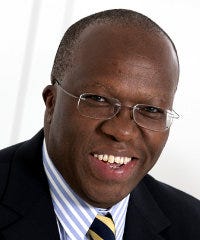
1. GERALD MAHINDA
Part 1: Career Profile
Gerald Mahinda is a seasoned business strategist and executive with over four decades of experience leading major multinational corporations across Africa, the Middle East, and Turkey. A Certified Public Accountant and University of Nairobi commerce graduate, his career began in finance and human resources at firms like Corporate Insurance Company and AIG before rising to senior leadership at Standard Chartered Bank.
He is perhaps best known for his tenure at East African Breweries Limited (EABL), where he served as Group Finance and Strategy Director and later as Group Managing Director. During his leadership, he was instrumental in executing significant market reforms and driving transformational growth, including doubling the firm’s market value. His executive career has included high-level roles such as Managing Director of Brandhouse (a Diageo/Heineken joint venture in South Africa), Managing Director of Sub-Saharan Africa for Kellogg, and Managing Director of Dance Africa Corporation (a Bidco subsidiary). Throughout his career, he has been a vocal advocate for African-led business expansion and entrepreneurship.
Part 2: Assessment
Strategic & Financial Management: Mahinda’s background in finance, coupled with his role in managing billion-dollar businesses, provides him with the robust financial literacy and investment appraisal skills required for a sovereign fund.
Integrity & Institutional Independence: Having navigated complex, multinational governance structures for decades, he has a proven track record of upholding institutional standards, even during aggressive reform and rationalization exercises.
Fundraising & Capital Mobilization: His extensive experience with global shareholders—including Diageo and Heineken—and his role in driving expansion strategies make him well-suited to handle the fundraising complexities and international investor relations required for national infrastructure projects.
Political Pressure & Stakeholder Management: While he has spent much of his career in the private sector, his leadership at EABL involved high-level stakeholder engagement with government entities and diverse regional markets. His public statements reflect a strong belief in African self-reliance and a disdain for political patronage, suggesting he would likely prioritize merit-based decision-making.
Regional Diplomatic Expertise: His career spans operations in over 20 African countries, providing him with a unique, on-the-ground understanding of cross-border trade, regional nuances, and the diplomatic tact necessary for East African infrastructure initiatives.
Verdict: Gerald Mahinda presents as an exceptionally strong candidate for the board. His combination of financial discipline, multinational leadership, and established regional credibility makes him well-equipped to manage the fund’s capital while navigating the complex intersection of commercial interests and national development.
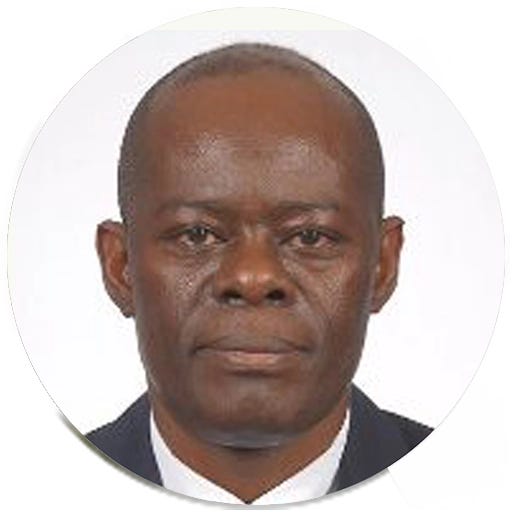
2. Patrick Mtange Mahonga
Part 1: Career Profile
Patrick Mtange Mahonga is a finance and administration executive with over 35 years of experience across the public, private, and non-profit sectors, specializing in financial monitoring, risk management, and institutional governance.
His career includes significant tenures at the Kenya Wildlife Service (KWS), where he held various leadership roles—including Financial Controller and Chief Accountant—focused on implementing modern financial controls and revenue leakage mitigation. Recently, he served as the Finance and Administration Director for the Africa Region at Diakonia, overseeing audits and donor compliance across ten country offices. He is also a prominent leader within the Institute of Certified Public Accountants of Kenya (ICPAK), having served as a former National Chairman.
Part 2: Assessment
Strategic & Financial Management: With three decades of financial leadership, Mtange possesses the technical proficiency required for oversight of a multi-trillion-shilling fund. His experience with activity-based budgeting and donor-funded project audits demonstrates a capability to manage complex financial flows.
Integrity & Institutional Independence: As a former National Chairman of ICPAK, Mtange has been central to professional regulation in Kenya. His long-standing commitment to the accountancy profession and governance suggests a career defined by adherence to ethical frameworks and institutional accountability.
Fundraising & Capital Mobilization: Mtange has limited direct experience in raising capital from private equity or commercial markets. His expertise is centered on the stewardship, control, and audit of existing financial resources rather than the active fundraising required to mobilize billions in private capital.
Political Pressure & Stakeholder Management: His background in KWS and his leadership within ICPAK demonstrate an ability to navigate complex public sector environments and manage multi-layered stakeholder interests.
Regional Diplomatic Expertise: His tenure at Diakonia involved regional administration, but this is largely limited to cultural understanding and navigating regulatory authorities. He lacks the deep, high-level networks at the sovereign decision-making level required for the cross-border diplomatic negotiations essential for this role.
Verdict: Patrick Mtange is a governance-focused candidate with a solid background in internal controls and audit compliance. However, given the high-stakes mandate of the National Infrastructure Fund—which demands aggressive fundraising and high-level sovereign diplomacy—he is an “okay” candidate. There are other professionals in the current pool with more robust, proven experience in international deal-making and top-tier diplomatic influence who are better qualified to drive the fund’s ambitious growth objectives.
3. Georgina Malombe (FCPA).

Part 1: Career Profile
Georgina Malombe is a distinguished finance and governance professional with over 20 years of experience in auditing, corporate governance, and public policy. She is a Fellow of the Institute of Certified Public Accountants of Kenya (ICPAK) and currently serves as the Founder and Managing Partner of Gemal & Co (CPA-K).
Her career includes significant executive and regulatory roles, such as serving as the CEO of the Registration of Accountants Board (RAB) and as a Manager for Public Policy and Governance at ICPAK. She has held several high-profile board positions, including serving as an Independent Non-Executive Director at KCB Group PLC, where she contributed to various board committees, and as a board member for the Siginon Group. She has also served as the Chairperson of the Association of Women Accountants of Kenya (AWAK). Her work spans both the private and public sectors, with a heavy emphasis on regulatory compliance, audit quality review, and financial policy development.
Part 2: Assessment
Strategic & Financial Management: Malombe possesses deep financial and audit expertise. Her background as a lead auditor and her role on the KCB Group PLC board demonstrate a high level of competence in financial oversight, risk management, and the interpretation of complex institutional financial statements.
Integrity & Institutional Independence: Her career is defined by her involvement in professional regulation. Having led the Registration of Accountants Board and shaped policy at ICPAK, she is deeply embedded in the “gatekeeping” side of the Kenyan financial sector, which provides her with a strong track record of professional integrity and standard-setting.
Fundraising & Capital Mobilization: While her experience is extensive in financial compliance and audit, it is more “defensive” (ensuring money is accounted for) rather than “offensive” (active capital raising). She has experience in donor-funded project audits, but lacks a track record of actively soliciting and mobilizing large-scale private investment capital.
Political Pressure & Stakeholder Management: Malombe has significant experience managing complex stakeholder environments, including leading various task forces (such as the Capital Gains Tax submission drafting) and collaborating with regulatory bodies like the CBK, CMA, and National Treasury. Her history of managing BMOs (Business Member Organizations) shows she can navigate consensus-driven environments.
Regional Diplomatic Expertise: Her engagement with MEFMI (Macroeconomic and Financial Management Institute of Eastern and Southern Africa) is focused on capacity-building and technical policy rather than sovereign diplomatic negotiation. She lacks the high-level network and experience in cross-border infrastructure treaty negotiation required for this mandate.
Verdict: FCPA Georgina Malombe is a powerhouse of technical governance and financial oversight. While her resume is impeccable in the realms of audit and regulation, her skill set is best utilized in a senior executive management capacity—such as Chief Audit Executive, Chief Compliance Officer, or Director of Finance—rather than as a board-level strategist. For the National Infrastructure Fund, she would be an invaluable leader for the internal control and audit functions, ensuring the fund’s processes are above reproach. However, she lacks the specific "deal-flow" and macro-investment experience required for a board-level seat tasked with directing a 5-trillion-shilling investment strategy.
4. Margaret Nyakoboke Ogega
Part 1: Career Profile
Margaret Nyakoboke Ogega is a tax and finance professional whose career has been predominantly centered on tax administration and fiscal research. She holds a Postgraduate Diploma in Tax Administration from the Kenya School of Revenue Administration (KESRA). Her professional footprint is primarily within the Kenya Revenue Authority (KRA) ecosystem, where she has focused on tax compliance, revenue collection, and fiscal research—specifically examining Capital Gains Tax revenue. She lacks any substantial record of executive leadership in private sector investment banking, large-scale project finance, or sovereign-level institutional board governance.

5.CPA Florence Tabu Birya.
Part 1: Career Profile
CPA Florence Tabu Birya is an established public sector management professional currently serving as an Assistant Registrar at the Office of the Registrar of Political Parties (ORPP). Her career has been centered on regulatory administration, having held roles such as County Director of Treasury, Finance Manager, and various senior accounting positions within the Kenyan public sector. She holds an MBA (Finance) and is a member of the Institute of Certified Public Accountants of Kenya (ICPAK). Her professional life has been dedicated to public sector financial oversight, compliance, and institutional administration within the Kenyan government.
Part 2: Assessment
Strategic & Financial Management: While she possesses the technical accounting certifications (CPA-K) and has managed public sector budgets, her experience is essentially administrative. She lacks the high-level experience in managing or deploying large-scale investment capital—a critical gap when compared to the requirements of the NIF.
Integrity & Institutional Independence: Her work within the ORPP and her engagement with ICPAK demonstrate an ability to operate within established regulatory and legal frameworks. However, this is distinct from the independent, market-facing fiduciary responsibility required to protect a multibillion-shilling sovereign investment vehicle.
Fundraising & Capital Mobilization: She has no demonstrable experience in large-scale institutional fundraising, private equity, or commercial deal dynamics. Her background does not include any professional exposure to international capital markets, investor relations, or the complex financial structuring needed for infrastructure project finance.
Political Pressure & Stakeholder Management: She operates in the political sphere as an Assistant Registrar, which provides exposure to political stakeholders. However, this is largely regulatory and compliance-based. She has not demonstrated the “battle-tested” capacity to manage the aggressive, high-stakes commercial interests and political pressures associated with delivering massive sovereign infrastructure projects.
Regional Diplomatic Expertise: Her diplomatic and regional experience is not demonstrable. She lacks the high-level networks, cross-border treaty negotiation skills, and sovereign decision-making experience that this mandate necessitates.
Verdict: CPA Florence Tabu Birya is a competent financial administrator with a strong background in public sector fiscal compliance. While she does not possess the macro-investment experience, commercial pedigree, or strategic "deal-making" history required for a board-level seat, she is well-suited for a senior management role within the fund’s financial or compliance departments. Her technical ability to oversee the fund’s internal financial health, manage budgetary transparency, and ensure regulatory compliance would make her an effective asset in an executive management position, where her primary mandate would be the rigorous application of institutional financial controls.
6. Fahima Ali Ahmed Zein
Part 2: Assessment
Strategic & Financial Management: Her financial expertise is narrow, confined to tax administration and public revenue collection. She lacks the breadth of experience required for the National Infrastructure Fund (NIF), which demands high-level skills in project finance, complex debt/equity structuring, and investment appraisal—areas far removed from tax compliance.
Integrity & Institutional Independence: While her work within KRA requires adherence to administrative standards, she has no documented history of independent, high-level institutional governance or board-level fiduciary responsibility that would be required to insulate a 5-trillion-shilling fund from institutional or political capture.
Fundraising & Capital Mobilization: This is a major gap. There is zero evidence of her having mobilized private capital, engaged with international institutional investors, or executed commercial investment deals. Her experience is fundamentally “defensive” (collecting taxes) rather than “offensive” (growing assets through capital markets).
Political Pressure & Stakeholder Management: She has not operated in the volatile, high-stakes political environment that defines sovereign infrastructure project delivery. Her career trajectory does not suggest she possesses the “backbone” required to navigate the competing, often cutthroat interests of global investors, local communities, and political stakeholders.
Regional Diplomatic Expertise: Her profile is devoid of any regional or international diplomatic engagement. She lacks the high-level networks and the nuanced understanding of cross-border treaty frameworks necessary to negotiate infrastructure projects at the East African Community (EAC) sovereign level.
Verdict: Margaret Nyakoboke Ogega is uniquely unqualified for this high-profile role. While she may possess technical proficiency in tax administration, the National Infrastructure Fund requires board members with proven, decades-long track records in high-stakes financial leadership, international deal-making, and sovereign-level diplomacy. Her resume lacks the requisite breadth and seniority for this mandate; her appointment would be a significant mismatch for a position that demands the highest level of commercial and diplomatic acumen in the region.
Part 1: Career Profile
Fahima Ali Ahmed Zein is a veteran investment professional with over 30 years of experience in asset management and private equity. Her career is defined by high-level fiduciary and investment roles, most notably her extensive tenure at GenAfrica Asset Managers Ltd. (1995–2018), where she served as Chief Investment Officer, Director/Board Member, and Portfolio Manager. During this time, she was responsible for managing an asset portfolio valued at approximately KES 700 billion.
Currently, she is a Private Equity Investor at Everstrong Capital LLC, an infrastructure-focused investment firm. Her work at Everstrong includes spearheading high-stakes infrastructure bids, most notably the proposal for the Nairobi-Mombasa Expressway (the US-Kenya Public-Private Partnership highway project). She is also a foundational figure in the region’s financial landscape, serving as a founding member of the East African Society of Investment Professionals and as the first Vice President of the CFA Society of East Africa.
Part 2: Assessment
Strategic & Financial Management: Fahima’s oversight of KES 700 billion in assets at GenAfrica demonstrates a proven ability to handle national-level liquidity and complex institutional portfolios. This level of stewardship is directly transferable to the oversight functions of the National Infrastructure Fund (NIF).
Integrity & Institutional Independence: As a veteran board director and former CIO, she has navigated the rigorous fiduciary standards of the pension and asset management industry for decades. Her leadership in establishing professional standards (CFA/EASIP) confirms a career anchored in institutional integrity.
Fundraising & Capital Mobilization: This is a core competency. Her role at Everstrong Capital, specifically in bidding for massive public-private partnership (PPP) projects like the Nairobi-Mombasa Expressway, demonstrates her direct experience in mobilizing private capital and navigating the commercial architecture of large-scale infrastructure financing.
Political Pressure & Stakeholder Management: She has successfully managed the high-pressure intersection of private capital and public sector project delivery. Navigating the complexities of the Nairobi-Mombasa Expressway bid—a project of immense national and international scrutiny—confirms she is battle-tested in managing volatile stakeholder environments.
Regional Diplomatic Expertise: Through her regional leadership roles and her work on cross-border infrastructure initiatives, Fahima has the necessary professional stature to engage with sovereign-level decision-makers, development finance institutions (DFIs), and international investors.
Verdict: Fahima Ali Ahmed Zein is a premier candidate for the board. Unlike other nominees with purely administrative backgrounds, she possesses a track record of managing massive asset pools (KES 700 billion) and driving active infrastructure investment deals (Nairobi-Mombasa Highway). Her combination of “offensive” capital-raising experience and “defensive” fiduciary oversight makes her not only qualified but arguably essential for the credibility and strategic success of the National Infrastructure Fund.
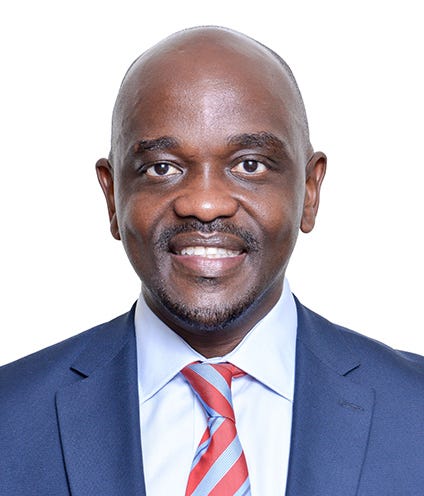
7. Henry Kinyua Kyanda
Part 1: Career Profile
Henry Kinyua Kyanda is a seasoned infrastructure investment professional and pension fund manager with over 18 years of experience. He currently serves as the Managing Director of Everstrong Capital Kenya Infrastructure Fund, where he is deeply involved in large-scale infrastructure project origination. Prior to this, he was the CEO and Trust Secretary of the Kenya Power Pension Fund (KPPF), one of Kenya’s leading occupational pension funds.
His background includes significant expertise in investment analysis, alternative asset management, and portfolio management. He has a track record of leading “first-of-a-kind” commitments, including guiding KPPF into private equity and energy infrastructure investments. He holds a BSc and an MBA in International Business Administration from USIU-Africa and is a Certified Investment and Financial Analyst (CIFA) and a Certified Pension Fund Trustee.
Part 2: Assessment
Strategic & Financial Management: Henry possesses a sophisticated understanding of both pension-style institutional investing and private equity. His experience managing diverse assets at KPPF and spearheading infrastructure investments provides him with the exact technical skillset needed for the National Infrastructure Fund (NIF), which requires an ability to manage complex, long-term capital assets.
Integrity & Institutional Independence: As a former CEO of a major institutional pension fund, he is well-versed in the fiduciary duties and high-level governance required to manage members’ funds. His career in the highly regulated pension industry suggests a strong adherence to compliance and institutional independence.
Fundraising & Capital Mobilization: This is a clear strength. Unlike candidates from purely administrative or regulatory backgrounds, Henry has hands-on experience in the “origination and execution” of infrastructure investments. His work at Everstrong—including bidding for projects like the Nairobi-Mombasa Expressway—directly mirrors the mandate of the NIF.
Political Pressure & Stakeholder Management: Managing the KPPF and navigating the commercial and political intricacies of the Everstrong infrastructure portfolio demonstrates his ability to manage multi-stakeholder projects where private capital meets national strategic interests.
Regional Diplomatic Expertise: His professional stature within the regional infrastructure and PE space, coupled with his role in high-stakes PPP (Public-Private Partnership) projects, provides him with the necessary credibility to engage with development finance institutions (DFIs) and potential international infrastructure partners.
Verdict: Henry Kinyua Kyanda is an exceptionally strong candidate for the National Infrastructure Fund board. He bridges the gap between institutional asset management (pension expertise) and active infrastructure development (Everstrong/PPP experience). He possesses the commercial acumen to mobilize private capital and the professional background to manage it with the rigor required of a sovereign-level entity. He is one of the few candidates who has both the “deal-making” pedigree and the institutional governance experience to be an immediate asset to the board.
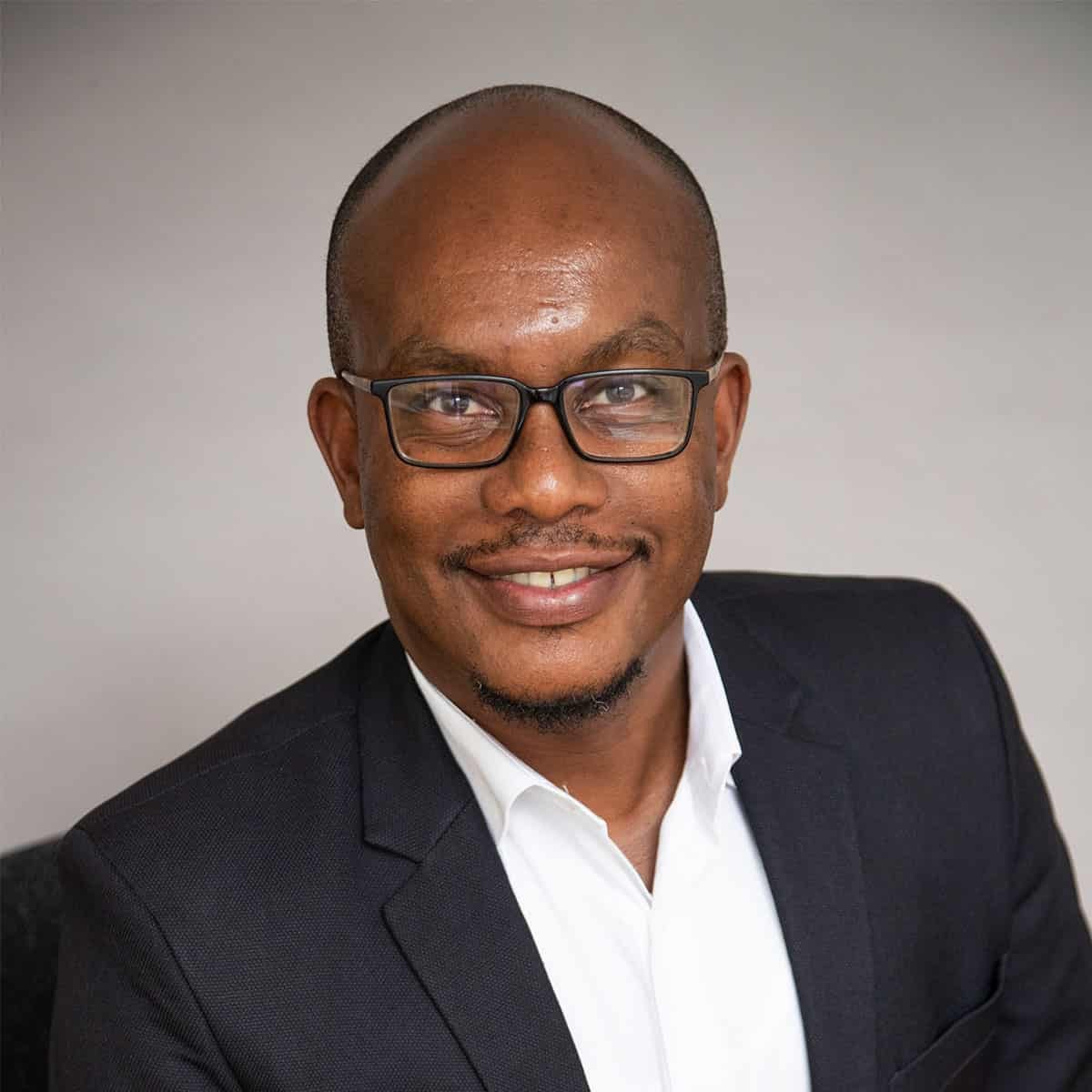
8. Chris Kibui Maranga.
Part 1: Career Profile
Chris Kibui Maranga is a high-impact investment professional currently serving as the Regional Director for East and West Africa at Acumen, where he leads local investing strategy, leadership development, and partnership building. His career is distinguished by a strong foundation in investment banking and transaction advisory. He began his career in accounting and audit at PwC and Deloitte before moving into investment banking at First Africa (a Standard Chartered subsidiary). During his time at First Africa, he led complex transactions in debt, equity, and mergers and acquisitions (M&A) across Africa and the UK. He also served in leadership roles at Standard and Mutual, where he provided strategic guidance and fundraising support for entities such as Medbook and AGIL. Additionally, he has served with the Investment Fund for Developing Countries (IFU), leading the Sustainable Food Systems team in Africa and supporting the Green Infrastructure Team in East Africa.
Part 2: Assessment
Strategic & Financial Management: Maranga’s background is rooted in high-level transaction advisory. Having managed debt and equity deals at a major international bank (Standard Chartered/First Africa) and overseen infrastructure-linked investment teams at IFU, he possesses the technical financial acumen required for evaluating the feasibility and risk profiles of massive infrastructure projects.
Integrity & Institutional Independence: His transition from global audit and consulting firms (PwC/Deloitte) to impact-driven investment leadership suggests a career defined by rigorous professional standards. His work with Acumen and IFU indicates a focus on “purpose-driven” capital, which is essential for ensuring the NIF aligns with national sustainability and development goals.
Fundraising & Capital Mobilization: This is a core competency. Unlike administrative candidates, Maranga has a proven record of leading transaction-based fundraising in both debt and equity markets. His experience in M&A and his involvement with IFU’s green infrastructure initiatives demonstrate his ability to bridge the gap between private capital and development-oriented infrastructure projects.
Political Pressure & Stakeholder Management: His role as a Regional Director at Acumen requires managing multifaceted relationships between private investors, corporate partners, and development agencies. This suggests he is well-equipped to manage the diverse and often conflicting interests of stakeholders involved in a national sovereign fund.
Regional Diplomatic Expertise: His professional focus spans East and West Africa, and his past work with international development funds (IFU) gives him a sophisticated understanding of cross-border investment dynamics. He possesses the institutional stature to interface with global investors and regional authorities effectively.
Verdict: Chris Kibui Maranga is a “tier-one” candidate. He brings the precise blend of private-sector investment banking “teeth”—specifically in M&A and debt/equity structuring—and the nuanced perspective of impact-led infrastructure investment. He is not a career civil servant; he is a transaction-focused investment professional who understands how to attract, structure, and deploy large-scale capital. He is highly qualified to drive the NIF’s mandate of mobilizing private sector participation in national infrastructure.
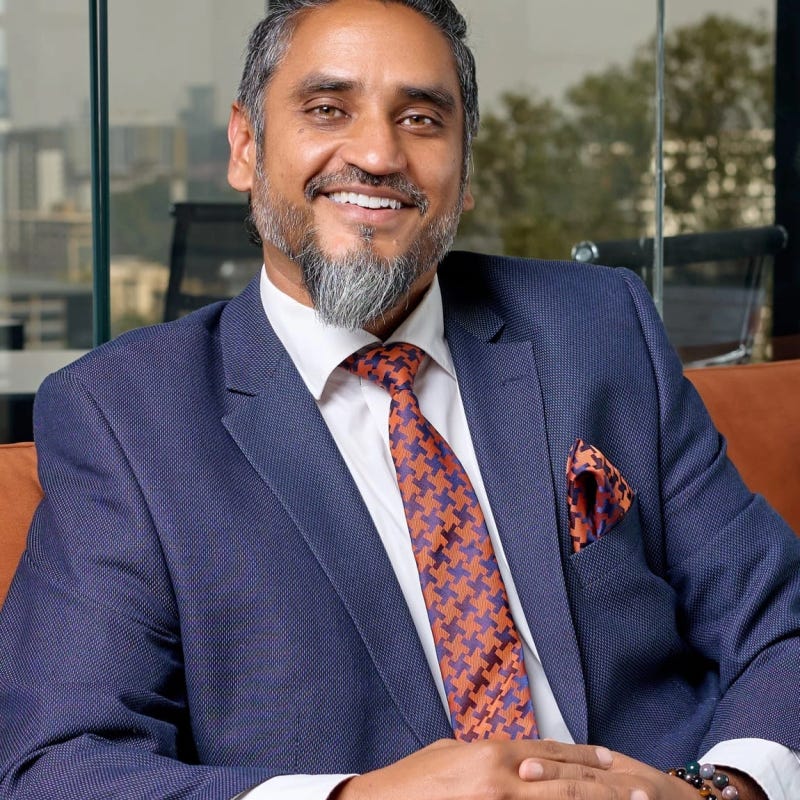
9. Tanvir Mohsin Ali
Part 1: Career Profile
Tanvir Mohsin Ali is a multi-faceted financial executive currently serving as the CEO of Investcent Investment Bank. His career is defined by a significant tenure at Equity Bank Limited (2022–2025), where he operated as Group Director for Market and Country Risk and Ag. Group Chief Risk and Compliance Officer, overseeing risk strategy across multiple regional subsidiaries.
In addition to his banking career, he served as a Member of the Tax Appeals Tribunal (2019–2022) and founded two private ventures: Savannah Arisokrafts Ltd. (construction/fit-outs) and Studio 10vr Ltd. (consultancy). His professional profile blends enterprise risk management, regulatory oversight, and commercial entrepreneurship.
Part 2: Assessment
Strategic & Financial Management: Tanvir possesses a strong technical understanding of liquidity, market risk, and treasury operations. His tenure at Equity Group Holdings required oversight of multi-market financial stability, providing him with a solid foundation in institutional financial management.
Integrity & Institutional Independence: His service on the Tax Appeals Tribunal and his senior compliance roles at Equity Bank indicate an professional history anchored in high-level governance and regulatory adherence.
Fundraising & Capital Mobilization: While his current role as CEO of an investment bank involves financial operations, his background is fundamentally weighted toward risk mitigation rather than infrastructure-specific project finance. He lacks the “hands-on” track record of originating and executing massive, multi-billion-shilling infrastructure deal flows.
Political Pressure & Stakeholder Management: He has demonstrated resilience in high-pressure environments, effectively bridging the gap between banking regulation, commercial entrepreneurship, and public sector advisory.
Regional Diplomatic Expertise: His regional experience is confined to market risk assessment rather than sovereign-level diplomacy. He lacks the “diplomatic heft”—the ability to engage in high-stakes, sovereign-to-sovereign negotiations and cross-border treaty frameworks—that is essential for an infrastructure fund of this magnitude.
Verdict: Tanvir Mohsin Ali is a highly competent financial professional with strong risk-management credentials and an agile entrepreneurial spirit. However, when measured against the cluster of elite, specialist investment banking candidates on this shortlist, he is a second-tier candidate. While his banking background is impressive, he lacks the specific “diplomatic heft” and the demonstrated history of personal, high-level control over massive infrastructure budget decisions and international deal-making that the top-tier candidates possess. He is a strong risk-oversight practitioner, but he does not bring the transformative “deal-making” pedigree required to lead this fund’s primary mandate.
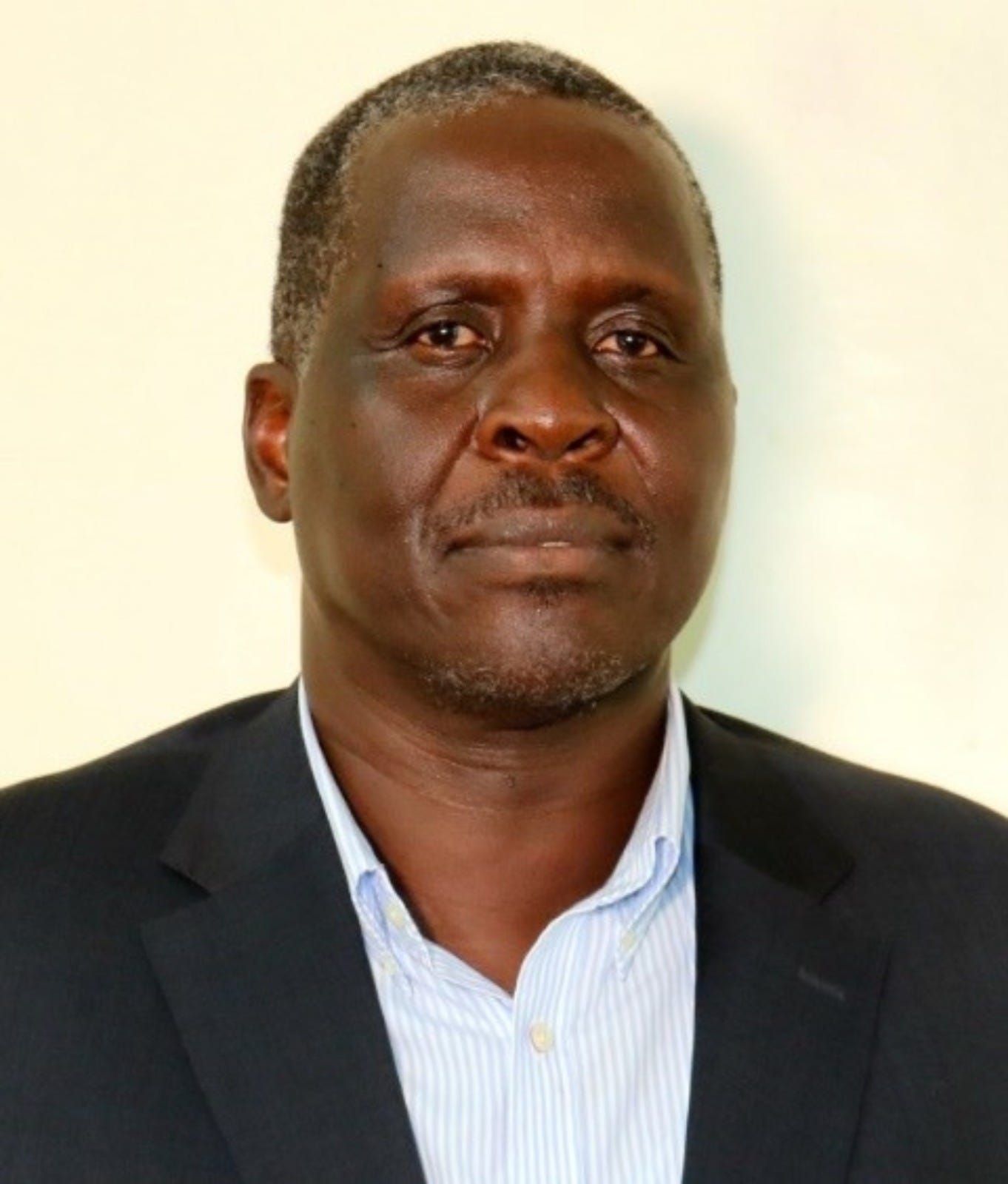
10. Eng. Meshack Otieno Kidenda.
Part 1: Career Profile
Eng. Meshack Otieno Kidenda is a distinguished civil engineer and a veteran of Kenya’s public infrastructure sector. He holds a BSc (Civil Engineering) from the University of Nairobi and an MSc in Traffic Engineering from the University of Birmingham. He is a registered Consulting Engineer, a Fellow of the Institution of Engineers of Kenya (FIEK), and a member of the Chartered Institute of Arbitrators. He has been recognized with national honors, including the Moran of the Order of the Burning Spear (MBS) and the Head of State Commendation (HSC).
His career is highlighted by his role as the inaugural Director General of the Kenya National Highways Authority (KeNHA), where he served for six years (2008–2014). Prior to this, he worked in the Roads Department, rising to the level of Chief Engineer, and served as the Director of Industrial Training (DIT). Since retiring from public service in 2016, he has remained active in governance, serving on the boards of the National Transport and Safety Authority (NTSA) and the Kenya Advanced Institute of Science and Technology (Kenya-AIST). He is currently shortlisted for the Board of the National Infrastructure Fund (NIF).
Part 2: Assessment
Strategic & Financial Management: As the inaugural head of KeNHA, Kidenda oversaw the transition to modern highway management in Kenya. His experience managing large-scale national road projects and government budgets provides him with significant insight into the operational realities of infrastructure delivery.
Integrity & Institutional Independence: Having served as the inaugural Director General of a major state authority, he is accustomed to the scrutiny of public office and the rigors of establishing institutional frameworks from the ground up. His extensive involvement in professional bodies (IEK, Engineers Board of Kenya) reflects a career committed to professional standards.
Fundraising & Capital Mobilization: While his technical background is elite, his career has been primarily focused on the public-sector execution and regulatory side of infrastructure. He lacks a demonstrable track record in private-sector investment banking, large-scale institutional fundraising, or the complex financial structuring of sovereign-level investment deals.
Political Pressure & Stakeholder Management: As a former Director General of KeNHA, Kidenda navigated some of the most politically sensitive infrastructure developments in Kenya’s history. He is a “seasoned hand” who understands how to manage the competing interests of government, contractors, and the public.
Regional Diplomatic Expertise: His career is predominantly domestic. While his technical expertise is widely respected within the Kenyan engineering fraternity, he does not have a documented history of leading high-level sovereign diplomatic negotiations or international cross-border infrastructure treaty work.
Verdict: Eng. Meshack Otieno Kidenda is a “statesman” of the Kenyan infrastructure sector. He is an excellent candidate for the board if the priority is institutional stability, technical rigor, and deep understanding of the local landscape. However, he is a traditional infrastructure technocrat rather than an investment banker. For a fund mandated to mobilize KES 5 trillion through private-public partnerships, his strength is in “delivery” rather than “deal-making.” He is a highly credible, senior-level appointment, but his utility to the board would be as a guardian of project execution rather than a primary driver of private capital acquisition.
11. Eng. Carey Orege, CBS.
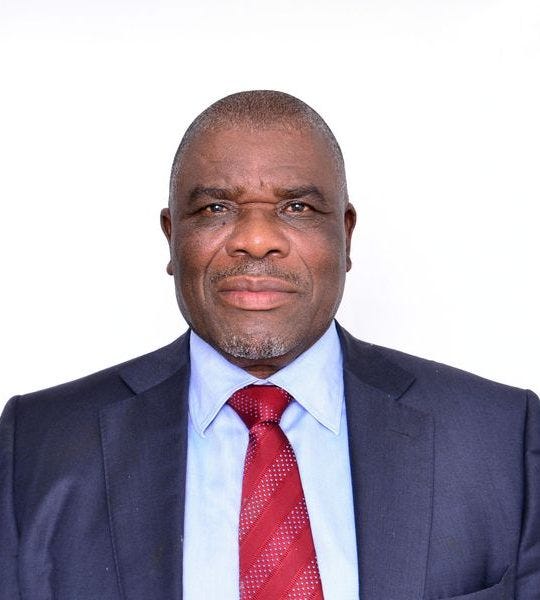
Part 1: Career Profile
Eng. Carey Orege is a high-ranking career public servant and a distinguished engineer with extensive experience in Kenya’s transport and infrastructure sector. He has held senior leadership roles within the Kenya National Highways Authority (KeNHA), where he has been instrumental in the planning, development, and maintenance of the national road network. His career is characterized by long-term service in government infrastructure agencies, focusing on large-scale civil engineering projects, national policy implementation, and the management of major public sector infrastructure contracts. He holds the Chief of the Order of the Burning Spear (CBS), a state honor reflecting his significant contributions to public service in Kenya.
Part 2: Assessment
Strategic & Financial Management: Eng. Orege possesses a profound understanding of infrastructure project lifecycles, from design and procurement to execution and maintenance. His technical expertise is highly relevant to the “asset delivery” mandate of the National Infrastructure Fund (NIF), though his background is rooted in engineering oversight rather than investment banking or private equity portfolio management.
Integrity & Institutional Independence: As a career technocrat at the level of KeNHA leadership, he has operated within the highest tiers of public infrastructure governance. His career indicates a focus on adherence to procurement laws, engineering standards, and public sector accountability frameworks.
Fundraising & Capital Mobilization: His expertise is primarily operational and technical. He does not have a documented history of mobilizing private capital, engaging with institutional investors, or leading the complex financial structuring (debt/equity) that the NIF requires to move beyond traditional government funding models.
Political Pressure & Stakeholder Management: Eng. Orege is a veteran of the “engine room” of Kenyan infrastructure. He is accustomed to managing the intense pressures associated with public road construction, stakeholder expectations, and government policy demands. He is well-versed in the complexities of the domestic political landscape as it pertains to national assets.
Regional Diplomatic Expertise: While his work with KeNHA involves regional transport corridors, his diplomatic reach is largely technical and consultative. He lacks the high-level sovereign decision-making experience required for the diplomatic maneuvering needed to finalize cross-border infrastructure treaties or large-scale international sovereign agreements.
Verdict: Eng. Carey Orege is an exceptionally qualified technical authority on infrastructure delivery in Kenya. He is a strong candidate if the board requires a “delivery-focused” engineer who can ensure that projects are technically sound and executed to standard. However, he is less of an “investment banker” and more of a “project executor.” For a 5-trillion-shilling fund that must attract international private capital, his value lies in his technical depth, but he lacks the commercial investment-banking pedigree that is essential for a sovereign wealth-type vehicle. He is a “safe” and highly competent technical appointment.
12. Eng. Malaquen Milgo.

Part 1: Career Profile
Eng. Malaquen Milgo is a distinguished civil engineer and a veteran of Kenya’s public infrastructure sector, best known for his long-standing tenure as the Chief Executive Officer of the Athi Water Services Board (AWSB). During his leadership, he was a central figure in planning and executing critical infrastructure projects, including the Nairobi Water Masterplan, which sought to address the capital’s ballooning water supply deficit. His career has been focused on managing large-scale, state-funded utility infrastructure, planning national water and sewerage assets, and navigating the complex transition of water services under the devolved government framework.
Part 2: Assessment
Strategic & Financial Management: Eng. Milgo has extensive experience in the stewardship of national infrastructure assets. His time at the helm of AWSB required him to oversee high-value engineering projects, manage long-term master planning, and ensure institutional compliance within the water sector. He understands the mechanics of state-led infrastructure delivery from the boardroom level.
Integrity & Institutional Independence: As a career head of a major state corporation, he operated under the intense public and political scrutiny typical of the water sector in Kenya. His tenure was defined by the necessity of upholding regulatory standards in a service-delivery-focused environment.
Fundraising & Capital Mobilization: Eng. Milgo’s experience is primarily in the public-sector procurement and implementation of projects often funded by multilateral donors (such as the World Bank or African Development Bank). While he has managed large budgets, this is conceptually different from the private-sector “deal-making” and institutional capital mobilization required to manage a 5-trillion-shilling fund. He is a master of government-led development, not necessarily a driver of private equity.
Political Pressure & Stakeholder Management: He is “battle-tested” in the intersection of politics and infrastructure. Managing the Nairobi water supply—a project of high political priority—meant he frequently interfaced with national government agencies, county governments, and international development partners. He is highly capable of navigating complex bureaucratic ecosystems.
Regional Diplomatic Expertise: His diplomatic reach has been predominantly limited to multilateral donor relations and national-level policy coordination. He lacks the high-level, cross-border investment diplomacy and the network of global institutional investors required to lead a fund that must operate at the sovereign and international capital markets level.
Verdict: Eng. Malaquen Milgo is a highly competent “delivery-focused” technocrat with significant experience in national-scale infrastructure. He brings institutional gravitas and a deep understanding of the Kenyan public sector’s planning machinery. However, relative to the shortlist of investment-banking heavyweights, he is a second-tier candidate for this specific role. His background is firmly rooted in public utility management and government-donor funded projects; he lacks the transformative “deal-flow” expertise, private-sector capital mobilization, and global diplomatic leverage required to steer a KES 5 trillion sovereign infrastructure vehicle.
13. Dr. Davidson Mghanga Mwaisaka.

Part 1: Career Profile
Dr. Davidson Mghanga Mwaisaka is a senior legal and corporate governance expert currently serving as the Head of Legal for Kenya and the East Africa Cluster at Standard Chartered Bank. With over 13 years in corporate and legal practice, his career has spanned leadership roles at Standard Chartered, Britam (as Regional Counsel), and Equatorial Commercial Bank.
He is a distinguished academic and professional, holding a Doctor of Business Administration (DBA), an LL.M in Commercial and International Trade Regulation, and an LL.B (First Class Honors). He is also a Certified Public Secretary and an Advocate of the High Court. His professional footprint includes significant experience in corporate commercial law, regulatory inquiries, and managing legal teams across Kenya, Uganda, and Tanzania.
Part 2: Assessment
Strategic & Financial Management: Davidson brings high-level governance expertise. His experience managing legal functions for a major multinational bank across the East African cluster demonstrates his ability to oversee complex corporate structures and navigate multi-jurisdictional compliance.
Integrity & Institutional Independence: As a career legal counsel and company secretary at the highest levels of the banking sector, his entire professional reputation is built on upholding rigorous corporate governance, fiduciary standards, and institutional compliance.
Fundraising & Capital Mobilization: While he has deep experience in banking law and regulatory frameworks—including involvement in the implementation of the Banking Amendment Act and mergers and acquisitions—his core competency is legal and regulatory advisory rather than the direct origination and execution of infrastructure investment deals.
Political Pressure & Stakeholder Management: He is well-versed in navigating high-stakes environments. His background includes representing corporate entities in regulatory and government inquiries and participating in industry-wide steering committees, such as the Kenya Bankers Association Legal Committee. He is highly capable of operating under intense institutional and regulatory pressure.
Regional Diplomatic Expertise: His role as Head of Legal for the East Africa Cluster gives him a strong grasp of regional legal and regulatory dynamics. However, his experience is commercial and legal in nature; he lacks the sovereign-level diplomatic experience or the track record of leading international cross-border infrastructure treaty negotiations required for a fund of this scale.
Verdict: Dr. Davidson Mghanga Mwaisaka is an elite corporate governance and legal expert. He is an exceptionally strong candidate if the board’s priority is “institutional rigor,” risk mitigation, and top-tier legal oversight. However, like other candidates coming from a purely legal or risk-management background, he lacks the primary “deal-making” pedigree and the specialized history of controlling massive, multi-billion-shilling infrastructure budgets. He would be a cornerstone for the board’s governance and regulatory integrity, though he would be supported by (rather than leading) the primary capital-raising and engineering project teams
14. Eng. LaToya Ouna Kavisi

Part 1: Career Profile
Eng. LaToya Ouna Kavisi is a structural engineer and specialized infrastructure procurement and contract management consultant with over ten years of experience. She is a Professional Engineer registered with the Engineers Board of Kenya (EBK) and a member of the Institution of Engineers of Kenya (IEK).
Her international profile is distinguished by her leadership within the International Federation of Consulting Engineers (FIDIC), including serving on the FIDIC Future Leaders Advisory Council and the FIDIC International Financial Institutions Committee (IFIC). She holds a BSc in Civil Engineering from the University of Nairobi and an MSc in Construction Law and Dispute Resolution from the University of Central Lancashire, UK.
Part 2: Assessment
Strategic & Technical Management: LaToya represents a rare and high-value breed of leadership that bridges the gap between technical engineering and the legal frameworks that govern project viability. Her dual competency—holding both an engineering degree and an MSc in Construction Law—is an exceptional asset that few on the board can claim. This allows her to not only oversee project design but to decode the legal and contractual mechanisms that prevent (or cause) multi-billion-shilling cost overruns.
Integrity & Institutional Independence: Her background in Alternative Dispute Resolution (ADR) and her professional standing within global engineering bodies like FIDIC position her as a champion of “best practice” governance. She brings a principled, data-driven approach to the board, unencumbered by local political legacy issues.
Fundraising & Capital Mobilization: While her core is technical, her work with the FIDIC International Financial Institutions Committee provides a sophisticated understanding of how global lenders and sovereign funds evaluate risk. She understands how to “legally de-risk” infrastructure projects to make them attractive to international private equity and institutional investors.
Political Pressure & Stakeholder Management: She has successfully navigated the complex interface of public agency procurement and private execution. Her ability to synthesize engineering realities with legal risks makes her a powerful advocate during negotiations with government agencies and international stakeholders.
Regional & Global Diplomatic Expertise: With a specialized focus on climate-resilient infrastructure contracts, she brings a forward-looking, global perspective that aligns with the requirements of green finance and sustainable development funds.
Verdict: Eng. LaToya Ouna Kavisi is a Tier 1 board-level candidate. Her unique combination of structural engineering and construction law—a rare dual-capability set in the East African market—provides the board with a high-level strategic lens that can identify risks long before they hit the balance sheet. She represents a new generation of leadership that challenges traditional “finance-only” board compositions by injecting technical and legal rigor into the investment decision-making process. She is not just a participant; she is a strategic architect for the fund’s long-term operational success.
15. Dr. James Mworia

Part 1: Career Profile
Dr. James Mworia is one of East Africa’s most prominent investment executives, serving as the Group CEO and Managing Director of Centum Investment Company Plc since 2008. He has overseen the growth of Centum into a diversified regional firm with significant holdings in real estate (e.g., Two Rivers, TRIFIC Special Economic Zone), power, and financial services.
Mworia is a triple-qualified professional: a lawyer (Advocate of the High Court), a CPA (K), and a CFA Charterholder. His career is defined by high-level deal-making, having led significant private equity exits and capital-raising initiatives. He has served on the boards of the Nairobi Securities Exchange (NSE) and the Capital Markets Authority (CMA), and was awarded the Moran of the Burning Spear (MBS) for his national economic contributions.
Part 2: Assessment
Strategic & Financial Management: Mworia is a master of capital allocation with a deep understanding of project finance. However, his tenure at Centum has recently faced severe shareholder scrutiny regarding declining company performance. Shareholders have specifically criticized a trend where executive pay and bonuses have continued to climb, even as investment returns—measured by both dividend yield and share price appreciation—have declined by more than 50%.
Integrity & Institutional Independence: While he is well-versed in the governance of publicly listed firms, the ongoing friction between his personal compensation and the actual wealth generated for shareholders presents a significant governance hurdle. Any appointment to the NIF board would require him to reconcile these past performance-versus-pay disparities to satisfy public and institutional stakeholders regarding his fitness for managing sovereign-level assets.
Fundraising & Capital Mobilization: This remains his primary strength. He is a proven “deal-maker” with an extensive history of mobilizing private capital and structuring projects to be “bankable.” He possesses the commercial gravitas to attract the institutional participation required for the NIF to scale effectively.
Political Pressure & Stakeholder Management: Mworia is a veteran of the intersection between private capital and public policy. His work on the TRIFIC Special Economic Zone demonstrates an ability to negotiate complex regulatory and commercial frameworks with government agencies.
Regional Diplomatic Expertise: He possesses the institutional stature and regional network necessary to engage with global investors and regional sovereign partners, having led initiatives across East Africa.
Verdict: James Mworia is a tier-one, high-impact candidate for a non-executive Director seat. He brings a level of commercial deal-flow expertise that is unmatched on this shortlist. However, he is not a candidate for the Chairperson role, as the NIF board is chaired by the Cabinet Secretary for the National Treasury. His appointment would be highly contentious and contingent upon his ability to address the specific, documented grievances regarding the disconnect between his executive compensation and the significant decline in shareholder value at Centum. He is a transformative “deal-maker” who would require extremely robust oversight to ensure that his aggressive commercial tactics align with the fund’s mandate and fiscal discipline.