
Welcome to Boardlot Africa, where we pull back the curtain to reveal the untold stories, power dynamics, and strategic maneuvers shaping the boardrooms of Corporate Africa—subscribe for free to join the conversation. join 1000 other subscribers
We publish Kenya’s Most Consequential Legal, Governance & Labor Disputes and A Series on the 100 Most Influential Kenyan Captains of Industry
Today, one of Kenya’s most strategic national assets changed hands in a single block trade on the Nairobi Securities Exchange. The government walked away with billions. Vodacom walked away with control. The rest of us are left asking: What did we just sell — and at what price?
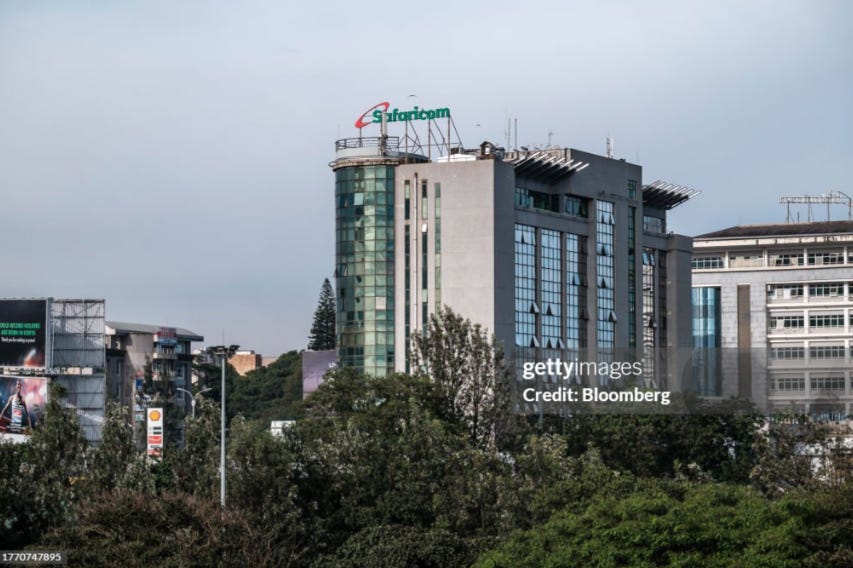
After months of courtroom drama, parliamentary haggling, and regulatory hurdles, the deal closed on 30 June 2026. Roughly 6 billion Safaricom shares traded at KES 34 each. The Kenyan government pocketed approximately KES 204 billion as its financial year slammed shut. Add in the upfront dividend monetization payment of around KES 40 billion on the remaining stake, and total inflows hit roughly KES 244.5 billion.
Vodacom now holds an effective 55% stake in Safaricom. The government’s share drops from 35% to 20%. The public float stays at 25%. Combined with full ownership of Vodafone Kenya, South Africa’s telecom giant has consolidated real control over East Africa’s biggest mobile operator and the powerhouse behind M-Pesa.
This wasn’t just another corporate transaction. It was the moment Kenya traded long-term influence over a national icon for immediate fiscal breathing room. Here’s what it means for us — staff, customers, shareholders, dealers, suppliers, and ordinary citizens.

The Deal Finally Lands — After Courtroom Drama
Announced in late 2025, the sale faced immediate pushback. High Court conservatory orders froze it in May 2026. An appeals court lifted the block just days ago on 26 June, clearing the runway for today’s lightning-fast block trade.
Government conditions were baked in: Kenyan citizens must always hold the Chair and CEO positions. Local suppliers get three years of protection. Independent directors must remain majority Kenyan. The government keeps two board seats and must be consulted on expansions outside Kenya.
These safeguards sound reassuring on paper. But with 55% voting power, how much do they really constrain Vodacom’s strategic decisions?

For the Kenyan Taxpayer: KES 204 Billion Windfall or Fire Sale?
Kenya is debt-stressed. Annual debt servicing eats a huge chunk of revenue. Selling a prized asset provides non-tax revenue to seed the National Infrastructure Fund and Sovereign Wealth Fund while easing budget pressure.
Short-term win: Immediate cash at a premium price (KES 34 was well above recent trading levels). Long-term risk: Lost future dividends and diluted influence over a company that has delivered consistent payouts.
The provocative question: Did we sell the golden goose for quick cash that might vanish into familiar inefficiencies, or did we make a pragmatic trade to fund real infrastructure? History of similar African privatizations offers mixed lessons — some brought efficiency, others regret.

For Safaricom Staff: Job Security or Foreign Efficiency Drive?
Safaricom employs thousands directly and supports far more indirectly. The mandated Kenyan leadership offers continuity at the top. Yet majority foreign control often brings pressure for “synergies,” cost optimization, and alignment with group-wide strategy. Staff may see more investment in technology and regional growth (Ethiopia operations). They may also face restructuring, performance benchmarks imported from Vodacom’s playbook, or shifts in corporate culture.
The bottom line: Kenyan talent built this company. Will they continue thriving under new masters, or will key decisions increasingly prioritize Johannesburg and Vodafone Group priorities?
For Customers: Better Network or Just Fatter Dividends for Vodacom?
M-Pesa transformed Kenya and remains the heartbeat of financial inclusion. Safaricom dominates voice, data, and mobile money.

Upsides: Fresh capital could accelerate 5G rollout, network upgrades, and fintech innovation. Vodacom’s expertise might bring efficiencies that ultimately benefit users through better service or expanded offerings.
Downsides: A stronger focus on profitability could mean steadier or higher pricing, slower response to local affordability needs, or decisions that favor group synergies over pure Kenyan customer priorities.
Will everyday users notice faster, cheaper data and seamless M-Pesa evolution — or will we quietly subsidize regional ambitions while paying the same (or more)?

For Retail & Institutional Shareholders: Premium Payday or Minority Squeeze?
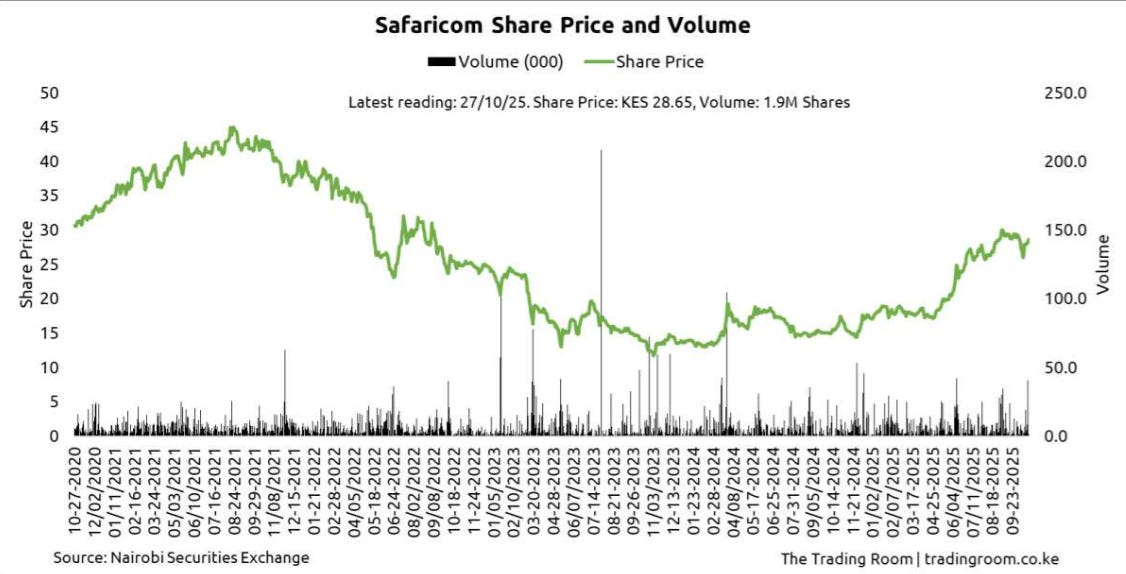
Safaricom’s Ownership Shift: A New Chapter of Operational Efficiency
The block trade at KES 34 provided an immediate premium for retail investors, triggering a positive market sentiment for Safaricom (SCOM) on the NSE. However, the completion of the share sale to Vodacom signals a more profound shift than mere price action. With Vodacom now firmly established as a 55% majority owner, the era of the government acting as a balancing 35% stakeholder has concluded, clearing the path for a more aggressive, value-driven corporate strategy.
We anticipate that Vodacom will pivot toward a rigorous “value-extraction” mandate, prioritizing bottom-line performance through stringent operational discipline. By tightening oversight on capital allocation, we expect a decisive rationalization of non-core expenditures. This transition will likely involve:
Aggressive Waste Reduction: A comprehensive audit of overheads and legacy spending to streamline day-to-day operations.
Marketing & CSR Optimization: Moving away from bloated marketing budgets and discretionary social responsibility outlays toward leaner, high-impact spending that directly correlates with revenue growth.
Enhanced Financial Rigor: A sharper focus on margin expansion and capital efficiency, likely leading to more consistent and potentially higher returns for shareholders.
While minority shareholders now navigate a landscape dominated by a powerful majority owner, this shift should fundamentally improve Safaricom’s financial trajectory. By prioritizing operational excellence over the looser budgetary practices of the past, Vodacom is positioned to drive superior financial results and unlock deeper value for all investors.
For Dealers, Suppliers & the Broader Ecosystem.
Tens of thousands of agents and dealers rely on Safaricom commissions. Local suppliers enjoyed preferential treatment under greater government influence. The three-year supplier protection clause buys time. After that, global procurement standards could squeeze smaller Kenyan players. Dealers worry about commission tweaks or shifts favoring integrated Vodacom channels.
This ecosystem powered Safaricom’s dominance. Protecting it — or watching it erode — will test whether the deal truly serves Kenyan entrepreneurship.
The Bigger Picture: National Interest & Sovereignty
Safaricom is more than a telecom company. It is critical infrastructure powering payments, communications, and economic activity across Kenya. Ceding majority control to a foreign (South African, ultimately Vodafone-linked) entity raises legitimate questions about data sovereignty, national security, and economic independence.
Government retains 20% and protective conditions. Yet 55% control means Vodacom calls most shots. Is Safaricom still meaningfully “ours,” or has it become a highly profitable subsidiary in a larger African network? Regional integration has benefits. Reduced government interference can spur efficiency. But when the asset touches every Kenyan’s daily life, the trade-off deserves scrutiny.
What Happens Next: The Road Ahead
Watch these closely in the coming months:
First post-deal board and strategy announcements.
Capital expenditure plans and Ethiopia progress.
M-Pesa developments or potential spin-off talk.
Share price performance and dividend trajectory.
Any signs of tension over the protective conditions.
Vodacom will push for full consolidation benefits. The government will lean on its remaining stake and conditions to protect local interests. The market will judge the results.
The Real Winners and What We Should Demand
The government secured immediate liquidity. Vodacom gained control of a cash-generating machine with huge growth potential. Some shareholders enjoyed a premium. For the rest of us, the jury remains out. We traded influence for cash and a promise of efficiency. Now we must demand accountability: transparent use of proceeds, genuine local leadership and supplier support, continued innovation that serves Kenyan customers first, and no erosion of M-Pesa’s accessibility. Safaricom helped build modern Kenya. Its next chapter under stronger foreign control will test whether this deal strengthens or weakens that legacy.
What do you think — smart financial move or costly surrender? The coming quarters will reveal the true price we paid.

About Boardlot Africa Research
Boardlot Africa is a premier financial intelligence and corporate governance publication dedicated to unpacking the mechanics of capital, market strategies, and structural shifts across East Africa’s corporate landscape. By bridging the gap between raw economic data and actionable market intelligence, we deliver deep-dive research, independent corporate analysis, and policy insights designed for institutional investors, boardrooms, and sharp market observers.
Get in Touch
Email: boardlot.research@gmail.com
Phone: +254 753 133 901
Substack: Subscribe to Boardlot Africa
X (Twitter): BoardLotSultan