
Fueled by a wave of veteran talent migrating from legacy institutions, a new breed of independent brokerages is seizing dominance at the Nairobi Securities Exchange.
The Brutal Fight for Brokerage Commissions at the Stock Exchange
The fiscal year 2025 witnessed a seismic transformation at the Nairobi Securities Exchange (NSE). While total brokerage commissions climbed to Sh3.75 billion, the spoils of this rally were heavily concentrated among a new guard of independent investment banks, signaling a profound shift in market dominance.
Table of Contents
The New Titans: The Rise of the Big Five
Bank-Led Struggles: The Top 10 Reality
The Decline of the Legacy Guard: Kestrel, Dyer & Blair, and Suntra
Market Outlook: A Changing of the Guard
Full Broker Performance: 2024 vs. 2025
1. The New Titans: The Rise of the Big Five
A group of five independent investment banks has effectively reshaped the competitive landscape, collectively capturing nearly half of the total market commission pool.
Dry Associates 454m 12.1%
Faida Investment Bank 373m 9.9%
Standard Investment Bank (SIB) 338m 9.0%
EFG Hermes 276m 7.4%
Capital A 234m 6.3%
Total: 1,675m 44.7%
These five firms alone commanded 45.4% of the total brokerage commission share, demonstrating that independent agility is currently outpacing the traditional bank-led model.
2. Bank-Led Struggles: The Top 10 Reality
Despite the structural advantages afforded by their parent commercial banks, bank-led intermediaries have largely struggled to maintain top-tier competitiveness. In the top 10 rankings, only SBG Securities (Sh203 million) managed to secure a spot.
The broader performance of bank-linked brokerages reveals a significant fragmentation in the market. While entities such as NCBA (Sh155 million), Kingdom Securities (Sh98 million), Absa (Sh97 million), KCB (Sh83 million), Equity (Sh67 million), and ABC Capital (Sh37 million) remain active, their collective influence is waning.
Collectively, these bank-led intermediaries generated a total of Sh740 million in commissions, accounting for approximately 20.1% of the total market commission pool. This performance highlights the mounting difficulty bank subsidiaries face in competing against the agility and specialized focus of independent firms for institutional and high-net-worth business.
3. The Decline of the Legacy Guard: Kestrel, Dyer & Blair, Suntra, and Francis Drummond
Once the undisputed pillars of the exchange, these legacy firms are experiencing a period of significant contraction or stagnation as the market shifts toward newer, more aggressive entrants.
Kestrel Capital: Historically a market leader, the firm recorded a 10% decline, earning Sh148 million.
Dyer & Blair: Despite managed growth of 76% to reach Sh171 million, the firm’s share of the total market remains limited compared to the new titans.
Suntra Investment Bank: Continuing the trend of struggle among legacy entities, Suntra recorded Sh42 million in commissions, reflecting a 9% decline.
Francis Drummond & Company: Reflecting the broader challenges facing the “old guard,” the firm recorded Sh61 million in commissions.

The Strategic Acquisition of Kestrel Capital by Theo Capital
The acquisition of Kestrel Capital by Theo Capital Holdings represents a calculated strategic realignment, effectively placing the legacy firm under the stewardship of two of the market’s most seasoned professionals, Francis Mwangi and Eric Ruenji. Francis Mwangi, who continues to serve as CEO of Kestrel, brings a wealth of institutional pedigree to the firm, having previously sharpened his analytical and leadership capabilities as the Head of Research at Standard Investment Bank and a Senior Investment Analyst at African Alliance Kenya. His deep technical understanding of the regional markets—underpinned by a Bachelor of Commerce in Finance from the University of Nairobi—serves as the foundation for the firm’s renewed growth strategy.
By partnering with Theo Capital Holdings Chairman Eric Ruenji, Mwangi has secured a leadership alliance that combines rigorous financial expertise with the bold, expansionist vision required to rejuvenate a 30-year-old institution. This transition marks more than a mere change in ownership; it is a tactical consolidation of industry-leading talent aimed at modernizing Kestrel’s heritage of excellence for a more aggressive, innovation-driven era in the East African capital markets.
ZIIIDI Trader
Under this new leadership, Kestrel Capital is currently spearheading the most significant shift in the market in years: the operational management of the Ziidi Trader app in partnership with Safaricom. This initiative has already onboarded more than 50,000 new retail investors, signaling Kestrel’s decisive pivot toward mass-market digital accessibility and cementing its role in the new, tech-centric NSE landscape.
4. The Re-emergence of Dry Associates: A Legacy Powerhouse
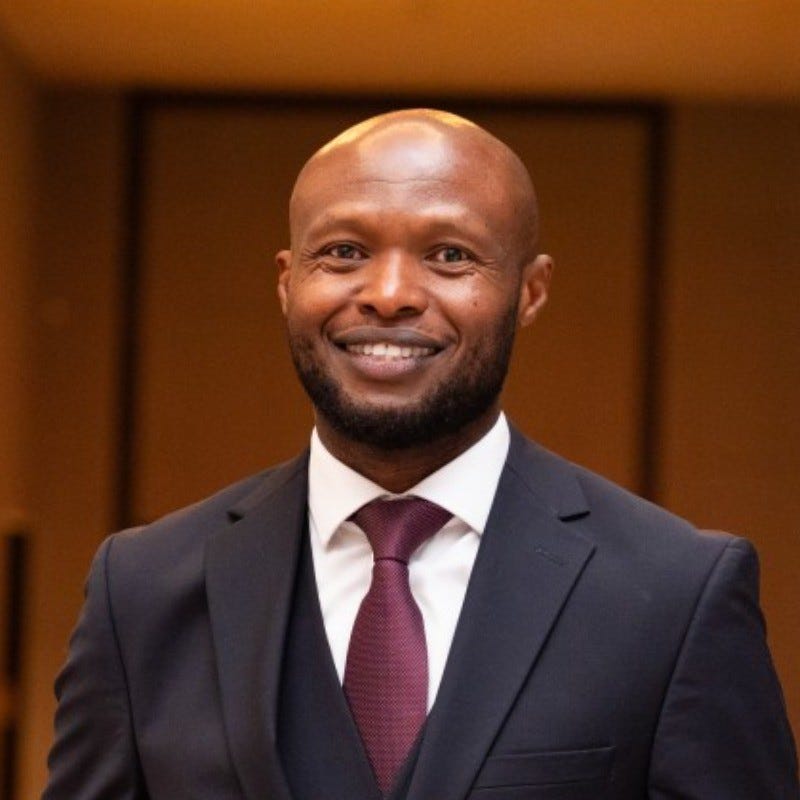
Dry Associates secured its position as the market leader in FY25 by leveraging a unique, multi-generational legacy of institutional trust and an unrivaled network of blue-chip client relationships. Unlike newer entrants competing on aggressive retail acquisition, the firm draws on the foundational vision of founder James R. Dry, who was instrumental in establishing the regulatory and administrative framework for the Capital Markets Authority and the modernization of the Nairobi Stock Exchange.
This deep-rooted history, bolstered by a Board of Directors featuring industry titans, has allowed the firm to curate a sophisticated, high-net-worth client list that prioritizes stability, governance, and long-term advisory. Central to this institutional pedigree is Chairman Stewart L. Henderson, who previously transformed Old Mutual Kenya from a closed fund into a regional financial services powerhouse with over US$1 billion in assets under management. Complementing this leadership is a board of remarkable depth, including legal strategist Hamish Keith, private equity pioneer Davinder Sikand, and corporate governance veteran Jophece Yogo, creating a fortress of expertise that consistently attracts conservative, capital-heavy institutional mandates.
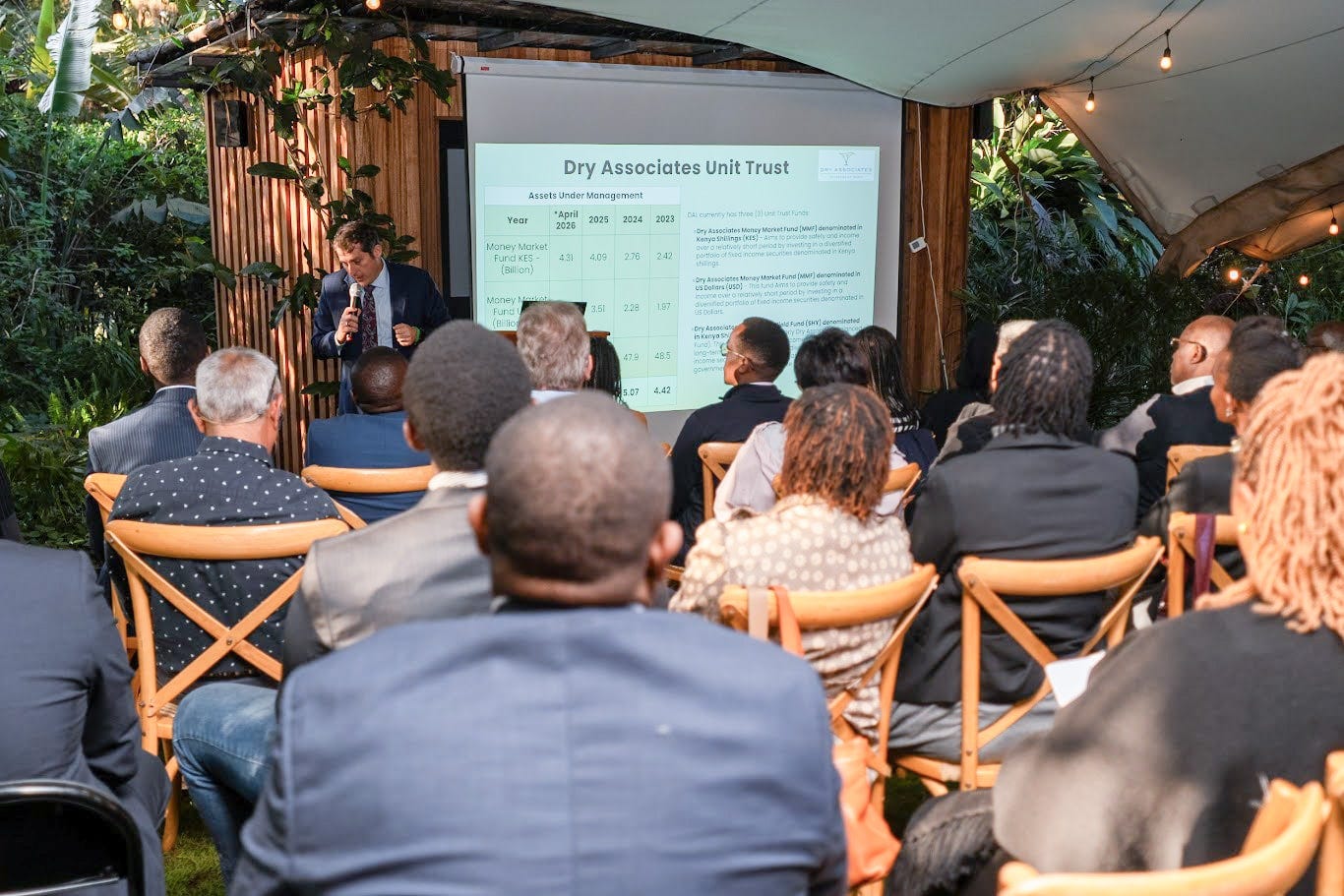
Under the operational leadership of Spence and Converse R. Dry, the firm has successfully translated this legacy into a modern advisory model. They have maintained their dominance by serving the complex needs of long-standing corporate and private investors who rely on the firm’s decades of specialized experience in commercial transactions, major financings, and precision securities trading.
A prime example of this execution is the firm’s recent capital-raising success for Watu Credit. On November 26, 2025, Dry Associates hosted an exclusive investor briefing at its Loresho headquarters, serving as the platform for the launch of Watu Credit (Kenya)’s KES 1.5 billion 2-year note programme. By facilitating this significant capital infusion, Dry Associates showcased its ability to bridge the gap between high-impact issuers and discerning investors. The success of this engagement—underscored by Watu’s robust performance, including a gross portfolio exceeding USD 300 million and record Q3 profits—reaffirmed the firm’s role in funding companies that drive positive economic impact across Kenya. By bridging the gap between historical market development and modern financial strategy, Dry Associates has demonstrated that its “family brokerage” structure is not a limitation, but a competitive moat that continues to command the largest share of the market’s commissions.
5. Market Outlook: A Changing of the Guard
The shifting landscape of the Nairobi Securities Exchange (NSE) indicates a profound transformation in how brokerage services are delivered and consumed in Kenya. The success of the “Big Five” independent firms highlights a strategic divergence from the traditional bank-led model, which has historically relied on parent-bank retail networks rather than specialized, high-velocity trading or bespoke advisory services.
These independent firms are outperforming their bank-linked counterparts by prioritizing agility, specialized research, and strategic independence. A key driver of this disruption is their ability to rapidly innovate, often launching specialized financial products that cater to the evolving needs of modern investors. The following are the profiles of the primary catalysts of this disruption:
Capital A Investment Bank
As a high-velocity operator, Capital A has successfully positioned itself as a modern, technology-forward intermediary. Under the leadership of CEO Linus Muthari Kang’ara, the firm has leveraged its legacy-backed expertise to achieve significant market milestones, including commanding a 19.68% market share in fixed income securities trading and a turnover of Sh1.067 trillion as of December 2025.
Demonstrating its rapid innovation, the firm has expanded its portfolio to include advanced investment products, such as its recently launched special fund, which mirrors the high-growth asset classes seen in elite alternative investment vehicles. The firm has aggressively captured new mandates, most notably securing the Safaricom Ziidi Money Market Fund (MMF) mandate, positioning itself at the center of the mobile-driven wealth mobilization wave.
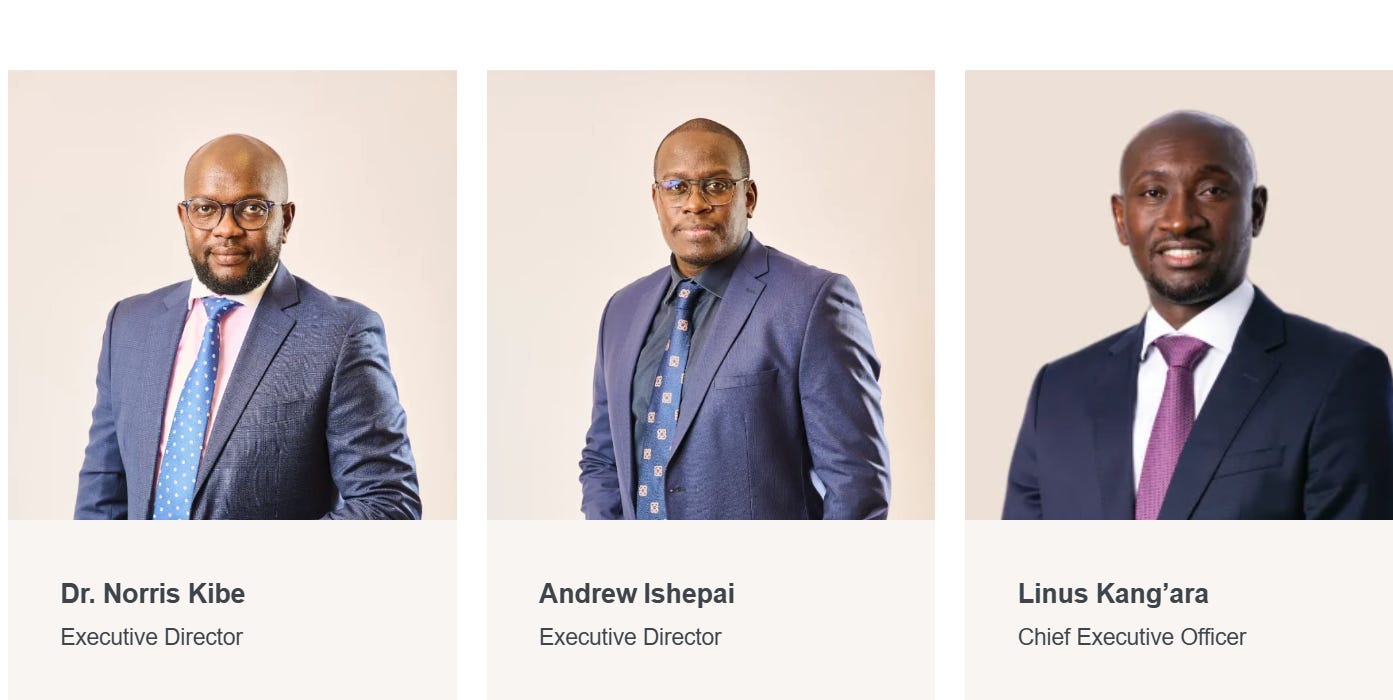
Drivers of Capital A’s Growth
Capital A has transitioned from a licensed stockbroker to a full-fledged investment bank, a move that significantly expanded its capabilities. Its growth is driven by several key factors:
Fixed Income Leadership: The firm has established itself as a market leader in fixed-income securities trading. As of late 2025, it reported a commanding market share of 19.68% and a trading turnover exceeding Sh1 trillion.
Strategic Rebranding: Formerly known as Securities Africa Kenya Limited, the firm rebranded to “Capital A Investment Bank” in late 2024 to reflect its expanded service offering and commitment to innovation.
Pergamon Investment Bank
Led by CEO Wanjiru Gichuru, Pergamon operates as a boutique, independent investment bank focused on precision execution and bespoke financial solutions. The firm distinguishes itself by providing specialized stock brokerage, institutional dealing, and corporate finance services without the operational baggage of a parent commercial bank. Its team of multidisciplinary experts emphasizes a holistic financial planning approach, leveraging digital tools to serve HNWIs and institutional clients.

The shift in market dominance towards these four firms is largely attributed to their ability to operate with greater agility than bank-led intermediaries. By remaining independent or part of specialized investment groups—rather than being tethered to the retail-heavy mandates of commercial banks—these firms can pivot more quickly to institutional needs, global market access, and high-frequency research services.
Captains of Industry: Wanjiru Gichuru, CEO Pergamon Investment Bank
EFG Hermes
EFG Hermes is a subsidiary of EFG Holding S.A.E., a publicly traded Egyptian financial services powerhouse listed on the Egyptian and London stock exchanges. With operations spanning the Middle East, Africa, and South Asia, it leverages a sophisticated international trading infrastructure to command a major presence at the NSE. Its ownership is diverse, with over 50% held by public investors, allowing the firm to function with the scale and global research capacity that independent local firms often lack.
AIB AXYS Africa
AIB AXYS is a distinguished member of the AXYS Group, a fully integrated international investment house headquartered in Mauritius, formed through the union of AIB Capital Limited and Apex Africa Capital Limited. The firm combines local Kenyan market expertise with the global reach and fiduciary services of the wider AXYS Group. Its leadership team drives operational excellence by providing comprehensive investment solutions—including global market execution and offshore funds access—that cater to retail, institutional, and high-net-worth investors
5. Full Broker Performance: 2024 vs. 2025
The fiscal year 2025 marked a period of significant growth for the Nairobi Securities Exchange, driven by a bullish macroeconomic environment, declining interest rates, and a 51% surge in the Nairobi All Share Index (NASI). As trading activity intensified, brokerage commissions rose, though the distribution of these earnings highlights the ongoing transition from legacy-led to independent-driven market dynamics.
Brokerage Commissions: 2025 vs. 2024
(Ranked by 2025 earnings, highest to lowest)
Dry Associates: Sh454m (2025) vs. Sh221.5m (2024)
Faida Investment Bank: Sh373m (2025) vs. Sh123.1m (2024)
Standard Investment Bank (SIB): Sh338m (2025) vs. Sh125.2m (2024)
EFG Hermes: Sh276m (2025) vs. Sh198.6m (2024)
AIB AXYS Africa: Sh240m (2025) vs. Sh147.2m (2024)
Capital A: Sh234m (2025) vs. Sh118.8m (2024)
Pergamon: Sh214m (2025) vs. Sh350.8m (2024)
SBG Securities: Sh203m (2025) vs. Sh150.4m (2024)
Genghis Capital: Sh199m (2025) vs. Sh77.1m (2024)
Dyer & Blair: Sh171m (2025) vs. Sh97.2m (2024)
Kestrel Capital: Sh148m (2025) vs. Sh164.4m (2024)
NCBA: Sh155m (2025) vs. Sh66.0m (2024)
Sterling Capital: Sh139m (2025) vs. Sh92.1m (2024)
Kingdom Securities: Sh98m (2025) vs. Sh43.0m (2024)
Absa: Sh97m (2025) vs. Sh88.2m (2024)
OMS Africa: Sh90m (2025) vs. Sh51.1m (2024)
KCB Investment Bank: Sh83m (2025) vs. Sh162.7m (2024)
Equity: Sh67m (2025) vs. Sh33.0m (2024)
Francis Drummond: Sh61m (2025) vs. Sh31.9m (2024)
Suntra: Sh42m (2025) vs. Sh46.2m (2024)
ABC Capital: Sh37m (2025) vs. Sh11.0m (2024)
Renaissance Capital: Sh31m (2025) vs. Sh18.7m (2024
