
Art as an Asset Class: From Global Records to Kenya’s Growing Appetite
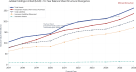
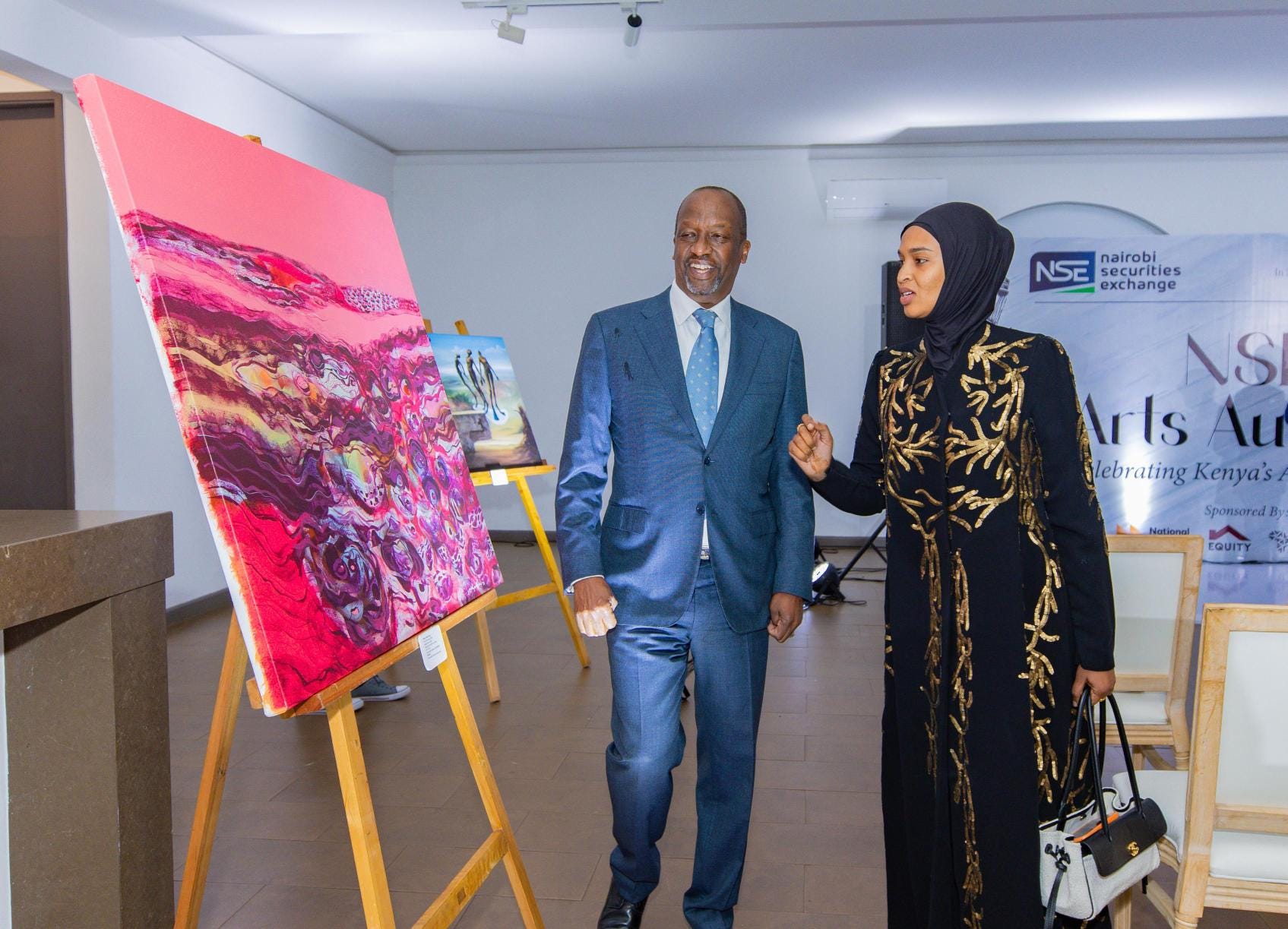
Kenya’s wealthy are increasingly treating art and other collectibles as serious long-term investments alongside personal enjoyment. A recent structured art auction by the Nairobi Securities Exchange, which sold 60% of lots for KES 4.7 million despite challenging weather, demonstrates how formal capital markets are helping turn passion into portfolio allocation. According to Knight Frank’s 2026 survey of wealth managers, art remains the top “investment of passion” for Kenyan high-net-worth individuals, cited by 75% of respondents — up from 72% the previous year.
Art has evolved significantly as an asset class. What was once primarily a cultural pursuit for the ultra-wealthy has professionalized over decades through established auction houses, price indices, and dedicated wealth-management services. The global art market returned to growth in 2025, reaching an estimated $59.6 billion in sales — a 4% increase year-on-year — according to the Art Basel and UBS Global Art Market Report 2026.
The market remains highly concentrated. The United States holds the largest share at 44%, followed by the United Kingdom at 18% and China at 14%. These three markets together account for 76% of global sales by value.
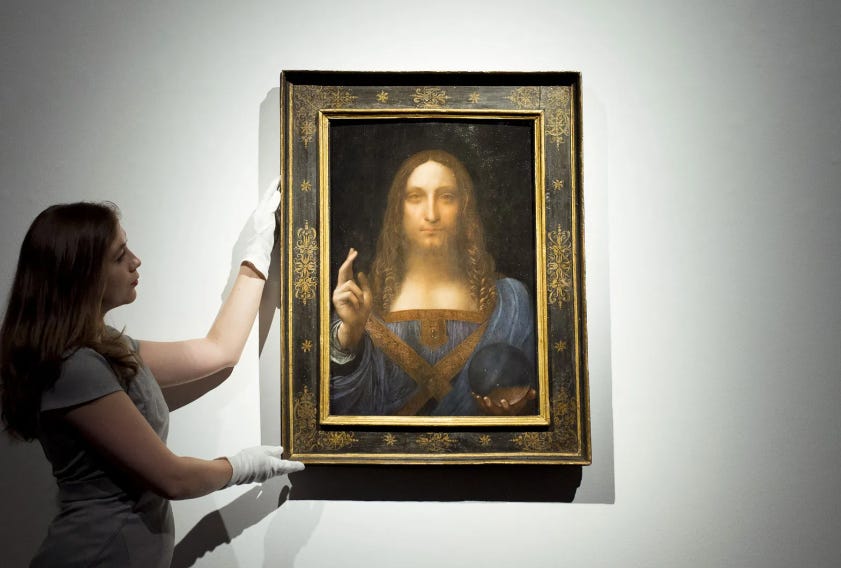
Record-breaking transactions continue to capture attention and capital. Leonardo da Vinci’s Salvator Mundi fetched a record $450.3 million at Christie’s in 2017, while more recently Gustav Klimt’s Bildnis Elisabeth Lederer sold for $236.36 million at Sotheby’s in 2025. These sales underscore the premium placed on rarity, provenance, and blue-chip works.
In Kenya, this global trend is gaining local traction. Knight Frank data shows watches (50%) have overtaken classic cars (44%) as the second-most sought-after collectible after art, followed by jewellery (38%) and wine (31%). Wealth managers report clients moving capital from traditional assets such as land and stocks into tangible investments that offer both enjoyment and wealth preservation.
The NSE Art Auction represents an important step in professionalizing this space locally. By creating a transparent, auction-based platform, it positions art as a more accessible and investable asset class within Kenya’s growing economy. For more context on passion investments, see Knight Frank’s Wealth Report 2026.
While art offers diversification benefits and low correlation to traditional financial assets, it is not without risks. Illiquidity, high transaction costs, storage requirements, and subjective valuation remain challenges. Success depends on expertise, provenance, and long-term holding periods.
As infrastructure improves and more Kenyan high-net-worth individuals allocate to passion investments, art is transitioning from a niche pursuit into a recognized component of sophisticated portfolios — both globally and closer to home.
As these developments unfold, one key question remains: Should the NSE Art Auction and exhibition be held annually, or more frequently, to fully capitalize on Kenya’s growing appetite for art as an investable asset?
About Boardlot Africa Research
Boardlot Africa is a premier financial intelligence and corporate governance publication dedicated to unpacking the mechanics of capital, market strategies, and structural shifts across East Africa’s corporate landscape. By bridging the gap between raw economic data and actionable market intelligence, we deliver deep-dive research, independent corporate analysis, and policy insights designed for institutional investors, boardrooms, and sharp market observers.
Get in Touch
Email: boardlot.research@gmail.com
Phone: +254 753 133 901
Substack: Subscribe to Boardlot Africa
X (Twitter): BoardLotSultan