
Welcome to Boardlot Africa, where we pull back the curtain to reveal the untold stories, power dynamics, and strategic maneuvers shaping the boardrooms of Corporate Africa—subscribe for free to join the conversation. join 1000 other subscribers
We publish:
Sultans weekly NSE Stock Picks, every Friday at 5pm
Kenya’s Most Consequential Legal, Governance & Labor Disputes
A Series on the 100 Most Influential Kenyan Captains of Industry
The Queens of East Africa Boardrooms
The Silicon Savana Chronicles, every Wednesday at 5.00pm
Sultan’s Farming Diary, every Monday at 5.00pm
The Founder’s Fatal Flaw: Why Selling Out Without Staff Equity is Institutional Suicide
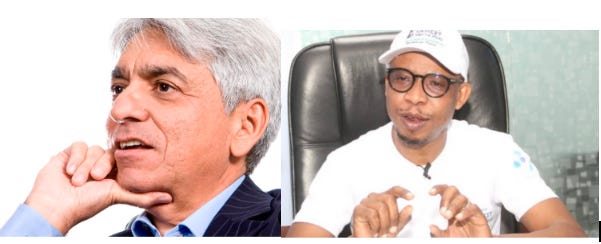
In the annals of East African corporate history, the names Bharat Thakrar (WPP Scangroup) and Dr. Ahmed Kalebi (Lancet Kenya) stand as titans. They built empires from the ground up, defining their respective industries for over a decade. Yet, their stories share a hauntingly similar final act: hounded out of their own offices, entangled in bitter legal battles with their partners, and sidelined in the boardrooms of the companies they birthed.

What makes their plight so striking is not just the conflict itself, but the lack of a “private army” to defend them. In both cases, when these founders sold their companies, they failed to weave their employees into the ownership fabric. By setting aside negligible equity—often through ESOPs that functioned merely as performance bonuses rather than ownership stakes—they inadvertently ensured their own obsolescence.
I. The 10% Trap and the Mirage of the ESOP
When a founder sells their firm, the focus is almost exclusively on the exit multiplier. The obsession is with the personal payday. In this process, the staff—the very people who built the company’s culture—are left with nothing more than a salary.

The Scangroup Lesson: When “Equity” Becomes Just Another Bonus
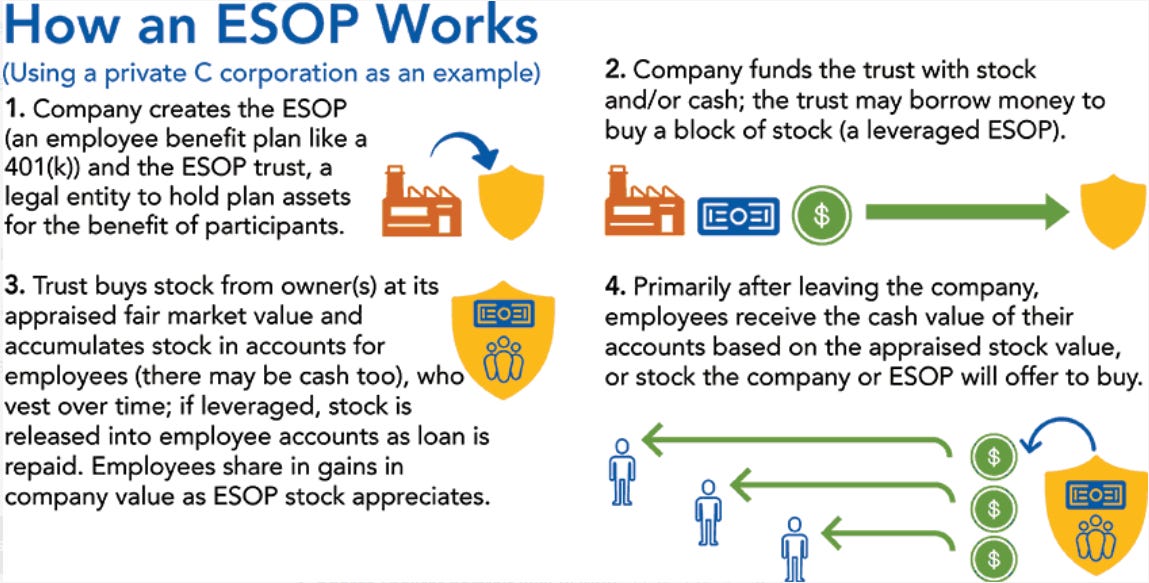
Take the 2012 Scangroup ESOP, which saw the issuance of over 2.7 million shares. On paper, this was “employee ownership.” In reality, it was a “financial ESOP”—a performance incentive designed to align individual staff with the share price, not a “governance ESOP” designed to consolidate power.
Because these shares were dispersed, fragmented, and lacked unified voting rights, they failed to coalesce into a defensive bloc. When the crisis hit in 2021 and escalated through 2026, those shares were just paper. They could not be used to rally a boardroom defense because they were never intended to be a tool for corporate governance. It was a classic “10% trap”: a gesture of generosity that lacked the structural muscle to protect the founder from a hostile majority shareholder like WPP Plc.
II. Case Studies in Founder Vulnerability
Bharat Thakrar (WPP Scangroup): After decades of building the region’s largest advertising group, Thakrar’s attempt to reclaim the board in June 2026 was crushed by mathematics. While he successfully rallied 99% of independent, minority shareholders, WPP Plc’s 56% controlling stake rendered the vote symbolic. Because the ESOP participants held no cohesive, defensive block of shares, Thakrar’s vision was easily overruled by the London-based parent.
Dr. Ahmed Kalebi (Lancet Kenya): Dr. Kalebi’s exit from the medical empire he co-founded was marked by a fallout with foreign partners. His transition from a celebrated CEO to a litigant highlights the danger of being an “outgunned” founder. Without a significant, equity-backed coalition behind him, he found himself locked out of the company’s operations almost overnight.

III. Why Founders Avoid the “Staff Equity” Path
The reluctance to share meaningful equity is usually rooted in three corporate pathologies:
The Control Obsession: Founders fear dilution, treating shares as a zero-sum game where staff ownership diminishes their own “throne.”
Short-Termism: The allure of a high-value cash exit often blinds founders to the long-term need for a defensive moat.
Governance Naivety: Founders trust that their “legacy” will protect them, failing to realize that global conglomerates are designed to strip and pivot assets, not honor histories.
IV. The “Founder’s Defense” Model: Rethinking the Exit
If Thakrar or Kalebi had built a company where the staff held a meaningful stake (20%+) vested in a collective, voting trust, the dynamics would have been radically different. A board would hesitate to strike against a founder when a quarter of the voting power is vested in the very people who swear by that founder’s leadership.
The lessons for the next generation of founders are clear:
Equity is a Shield: Move beyond viewing shares as a “bonus” and start using them as a defensive moat.
Cultivate Partners, Not Employees: An employee who owns shares thinks like a partner. When the board comes for the founder, the partner stands and fights.
Governance Through Distribution: Founders must stop seeing themselves as “Lone Kings” and start acting as “Chief Guardians” of a distributed ownership model.

Conclusion: The Price of a Selfish Exit
If you sell your company for millions but leave your staff with nothing but a paycheck, do not be surprised when they do not stand with you in the boardroom. You bought your immediate freedom with their stake in the future, and in doing so, you sold the very thing that could have kept you in power. True legacy is not built by what you walk away with—it is secured by the army of stakeholders you leave behind to guard the gates.
About Boardlot Africa Research
Boardlot Africa is a premier financial intelligence and corporate governance publication dedicated to unpacking the mechanics of capital, market strategies, and structural shifts across East Africa’s corporate landscape. By bridging the gap between raw economic data and actionable market intelligence, we deliver deep-dive research, independent corporate analysis, and policy insights designed for institutional investors, boardrooms, and sharp market observers.
Get in Touch
Email: boardlot.research@gmail.com
Phone: +254 753 133 901
Substack: Subscribe to Boardlot Africa
X (Twitter): BoardLotSultan